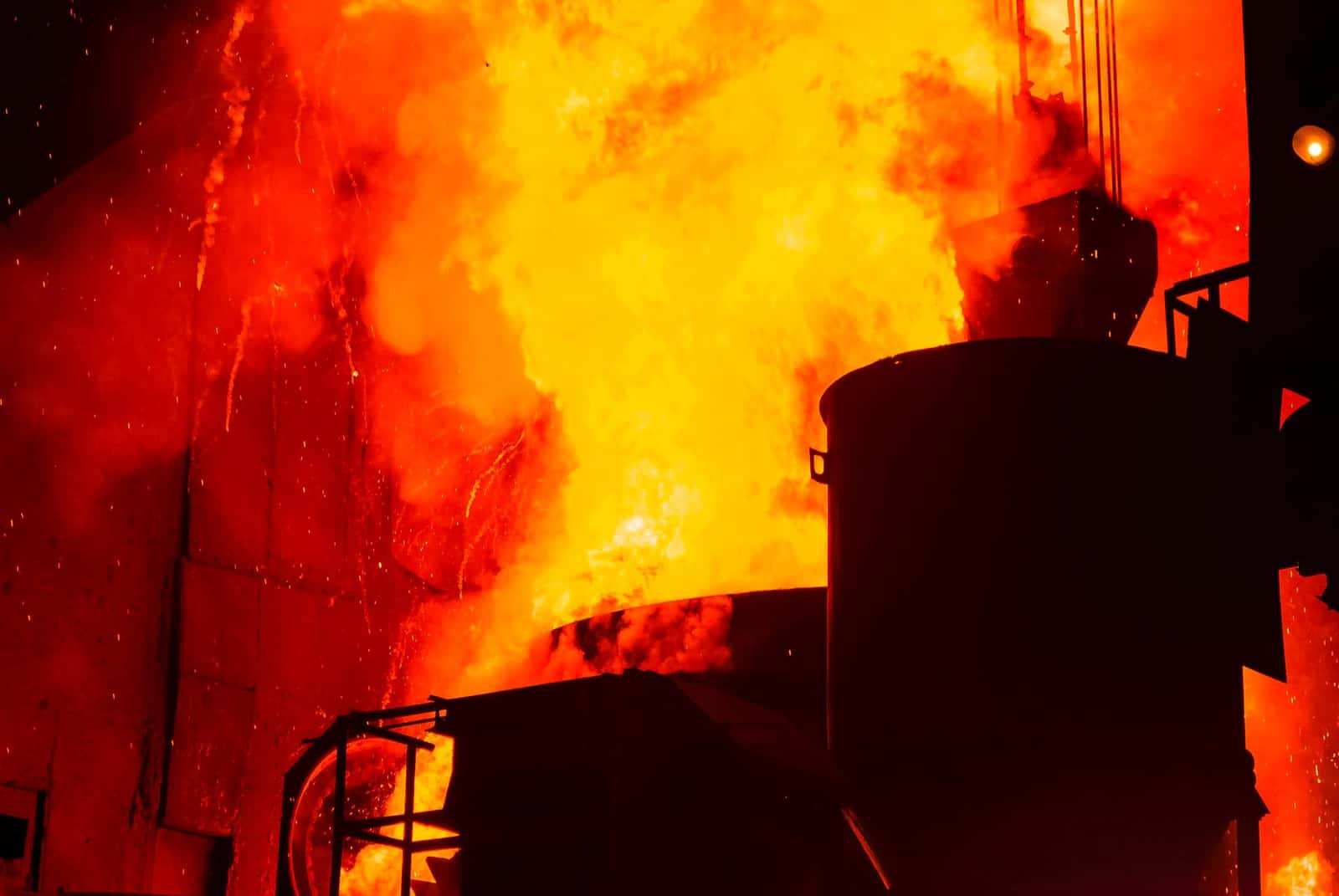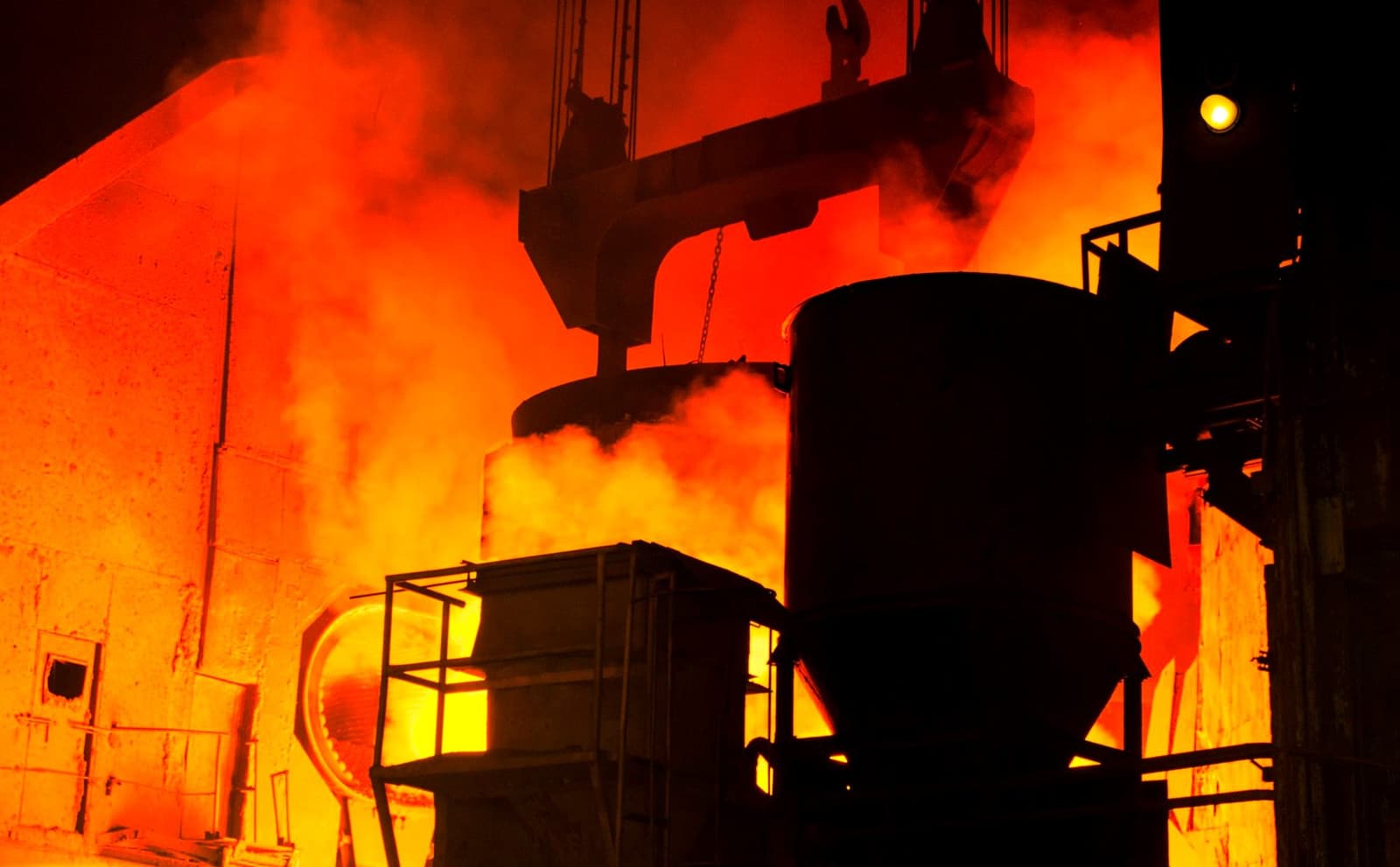
- Steel is by far the largest use of vanadium. Small additions make steel stronger, so demand follows construction and steelmaking.
- Vanadium redox flow batteries store energy in liquid electrolyte held in tanks. They are a real but smaller source of demand.
- According to the USGS, China is the largest producer by a wide margin, and most of its output is a coproduct of processing iron-titanium ores.
Introduction
Vanadium is a hard, grey metal that most investors never see on its own. It turns up inside other things: a beam, a rebar, a catalyst, a battery tank. That makes its demand story a little different from metals like copper or gold, where the end use is easier to picture.
This guide covers the main uses, how the metal gets to market, and what to look for when a junior company reports a vanadium project. It is general information, not a view on any company or on where prices are headed.
Vanadium is mostly a steel story with a battery chapter, not the other way around.
The Steel Story
Steelmakers add vanadium, usually as ferrovanadium or a vanadium compound, to make steel stronger and tougher without adding much weight. The quantities involved are small relative to the steel itself.
The U.S. Geological Survey's 2026 Mineral Commodity Summaries reported that metallurgical uses, mainly alloying steel and iron, accounted for more than 90% of reported U.S. vanadium consumption in 2025. When people talk about vanadium demand, they are mostly talking about steel.
That has a practical consequence. Vanadium demand is tied closely to steel output and to the construction and industrial activity that uses that steel. A reader following a vanadium junior is, in part, following the steel cycle.
Chemicals and Aerospace
Outside steel, the USGS identifies catalysts as the largest use. Vanadium compounds help produce maleic anhydride and sulfuric acid, two industrial chemicals.
Vanadium is also used in titanium alloys for aerospace. The USGS notes there is no acceptable substitute for vanadium in those alloys, which makes it a small but sticky source of demand.
Flow Batteries
A vanadium redox flow battery stores energy differently from the lithium-ion batteries in phones and cars:
- Two tanks hold liquid electrolyte, each containing vanadium in solution.
- Pumps move the electrolytes through a cell stack, where a membrane separates them and the chemical reactions that charge and discharge the battery take place.
- Because energy sits in the liquid and power comes from the stack, the energy rating and the power rating can be designed separately.
Using the same element on both sides has an advantage. A 2002 assessment prepared for a Sandia National Laboratories conference noted that cross contamination between the two electrolytes is not a significant problem because both are vanadium. Research at Pacific Northwest National Laboratory has focused on improving electrolyte chemistry and cell components to raise performance and cut cost.
The USGS describes vanadium redox flow batteries as used for large-scale grid storage, valued for safety and long cycle life, while noting that high costs and limited supplies of high-purity feedstock remain challenges. For an investor, the useful framing is that batteries are a genuine use that sits well behind steel in size. A release that talks only about batteries is telling you part of the story.
Where Supply Comes From
According to the USGS, China is the largest mine producer of vanadium by a wide margin, followed by Russia, Brazil and South Africa. Mine supply is concentrated in a handful of countries.
How vanadium is produced matters as much as where:
- Coproduct of iron ore processing. The USGS reports that most Chinese output is a coproduct of processing vanadium-bearing titanomagnetite ores during steelmaking. Titaniferous magnetite is one of the main deposit types.
- Secondary sources. In the United States, production now comes only from secondary sources, such as petroleum residues, spent catalysts and utility ash, processed into ferrovanadium, vanadium chemicals or vanadium pentoxide.
- Other host materials. Vanadium also occurs in phosphate rock, bauxite and carbon-rich materials such as crude oil, coal, oil shale and tar sands.
Because so much vanadium is recovered alongside something else, supply does not respond to vanadium prices alone. The USGS makes the related point that, since vanadium is usually a byproduct or coproduct, world resources do not fully reflect available supply.
What Gets Sold
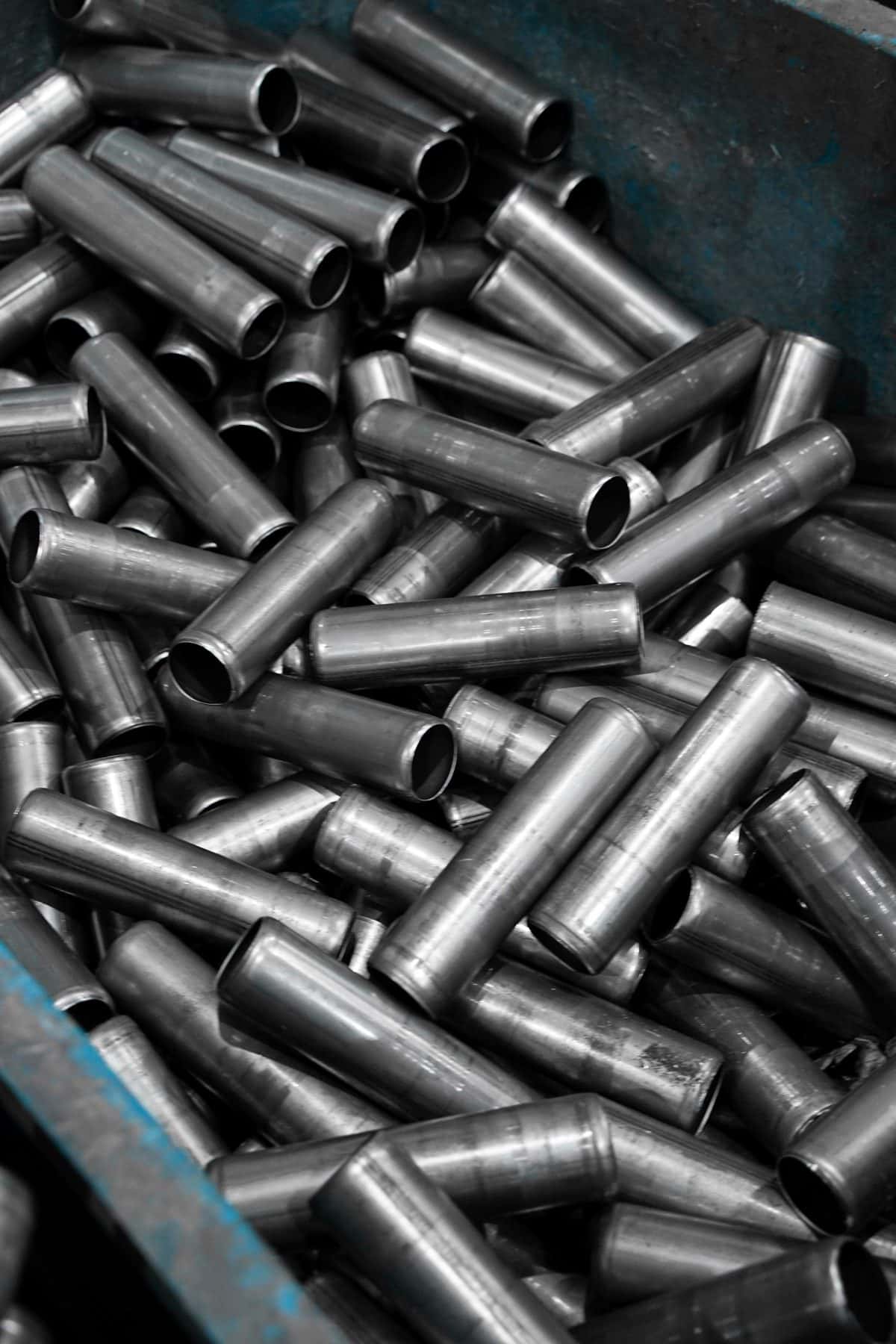
Vanadium rarely reaches buyers as pure metal. The USGS describes the main products as ferrovanadium, an iron-vanadium alloy that steelmakers add to their melt, vanadium pentoxide and other vanadium chemicals. Steelmakers mostly want ferrovanadium or similar alloying products. Chemical and battery users want vanadium compounds, and battery electrolyte in particular needs high-purity feedstock, which the USGS lists as one of the challenges facing flow batteries.
This matters for a project because the product decides the processing route, the specifications the company must meet and the customers it can sell to. A deposit that can make a steel-grade product is not automatically able to make a battery-grade one. When a company describes its target product, it is also describing which part of the market it is betting on, and how much extra processing it will need.
Substitutes
In steel, the USGS lists manganese, molybdenum, niobium, titanium and tungsten as partial substitutes, and notes that steels with other alloy combinations can be used instead. In catalysts, platinum and nickel can replace some vanadium compounds. Substitution has limits, but it means steelmakers are not locked in, which is worth keeping in mind when reading any demand claim.
What to Check in a Vanadium Project Release
A vanadium junior's news release raises a few questions that a gold or copper release does not:
- The grade basis. Grades are often reported as percent vanadium pentoxide (V2O5) rather than percent vanadium. The two are different numbers for the same rock. The grade converter can help keep units straight.
- The deposit type. Titaniferous magnetite, sandstone-hosted, shale-hosted and other styles behave very differently in processing. The release or technical report should say which one it is.
- The other products. If iron or titanium could be recovered too, the economics depend on those products as well. Check whether any study assumes credits from them.
- The metallurgy. Vanadium recovery depends heavily on the ore and the process. Look for test work and the recovery assumed, as covered in the company's NI 43-101 disclosure.
- The end market. A product aimed at steelmakers and a high-purity product aimed at battery electrolyte have different specifications. Check which one the company is targeting.
- The disclosure standard. Any resource figure should be supported by NI 43-101 disclosure and named by a qualified person. Read the filings on SEDAR+ and speak to your own adviser before making any decision.
Frequently asked questions
- Mineral Commodity Summaries 2026: Vanadium, U.S. Geological Survey, 2026-02-06
- Advanced Redox Flow Batteries for Stationary Electrical Energy Storage, Pacific Northwest National Laboratory, 2012-03-19
- A Comparative Assessment of Flow Battery Technologies (EESAT 2002 conference paper), Sandia National Laboratories, 2002-04-01. Conference paper from April 2002; the paper does not state a day
This article is published by Bellmare Capital, a brand operated by Apollo Shareholder Relations, for information and education only. It is not investment advice, a recommendation, or an offer or solicitation to buy or sell any security. Bellmare Capital is not a registered investment adviser or dealer, and this is not independent research.
Apollo Shareholder Relations provides paid investor relations, marketing and communications services to public companies, including companies in the sectors Bellmare Capital writes about, and may be compensated in cash or securities. Apollo, its principals, employees and contractors may hold securities of companies discussed and may buy or sell them at any time. Where an article covers a company that pays Apollo, it is labelled Sponsored at the top with the compensation and holdings.
Information comes from public filings and other sources believed to be reliable, but its accuracy and completeness are not guaranteed, and it may be out of date. Small cap and junior resource companies are speculative and volatile, and investors can lose their entire investment. Bellmare Capital and Apollo Shareholder Relations accept no liability for any loss arising from use of this content. Read each company's own filings on SEDAR+ and consult a registered adviser before acting.
Get the next one by email.