
Research, beginner guides, and market notes.
Plain-language coverage of small cap mining and resource companies on the TSXV and CSE.

Bull Case, Bear Case: Writing Balanced Research
Balanced junior mining research includes both the bull case and the bear case for every name covered. Here is why, and how Bellmare Capital...
Reading a Junior’s Capital Structure: Shares, Warrants, Options
A junior mining company’s capital structure includes much more than just outstanding shares. Warrants, options, and convertibles all affect...

How We Build a Company Spotlight: The Four-Part Framework
Every Bellmare Capital company spotlight is sponsored and follows the same four parts: the setup, what the company has disclosed, the risks,...
Graphite: Natural vs Synthetic and Battery Anode Demand
Lithium-ion batteries need graphite anodes. The market is split between natural and synthetic graphite, each with different supply chains...
Cobalt Sourcing and the DRC Question
The Democratic Republic of the Congo supplies most of the world’s cobalt. Battery chemistry shifts and ESG concerns have changed how...
Tin and the Solder Demand Curve
Tin is small but strategic. About half of demand goes to solder, almost all of it for electronics. Here is what drives the market and why...
The Rare Earths Squeeze: China’s Position Explained
China processes the vast majority of the world’s rare earth elements. Here is why that is, what is being done about it, and which metals...
Critical Minerals: How Governments Define the List
Critical mineral lists from Canada, the United States, and the European Union differ. Here is how each is built, why they update, and which...
Zinc Inventories and Why They Matter
Zinc is mostly used in galvanizing steel. The price often moves with London Metal Exchange warehouse inventories. Here is the link between...
Nickel for Batteries vs Stainless Steel: A Two-Market Story
Most nickel still goes into stainless steel. A smaller but fast-growing share goes into batteries. The two markets need different nickel...
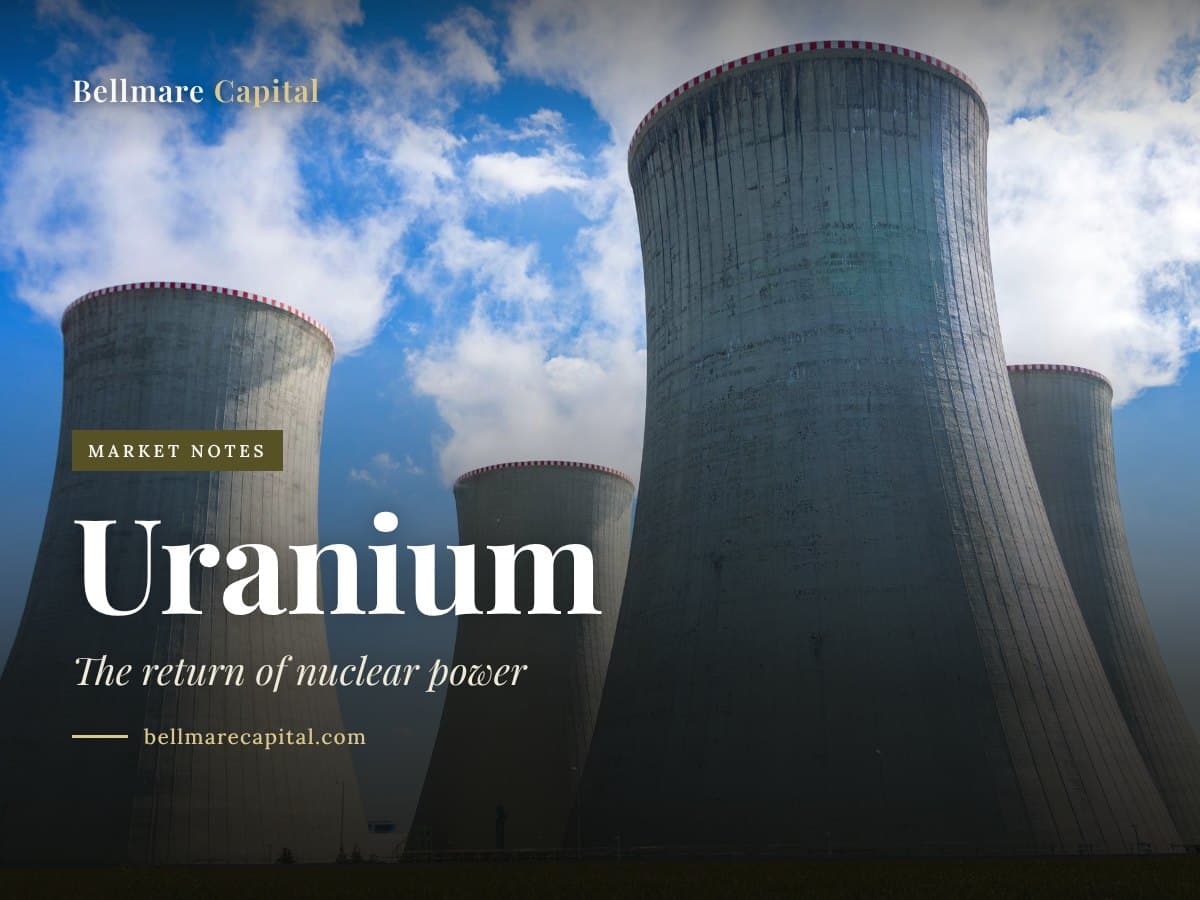
Uranium and the Return of Nuclear Power
After a decade of underinvestment, the uranium market is tightening as nuclear power gains political support. Here is the supply, demand,...
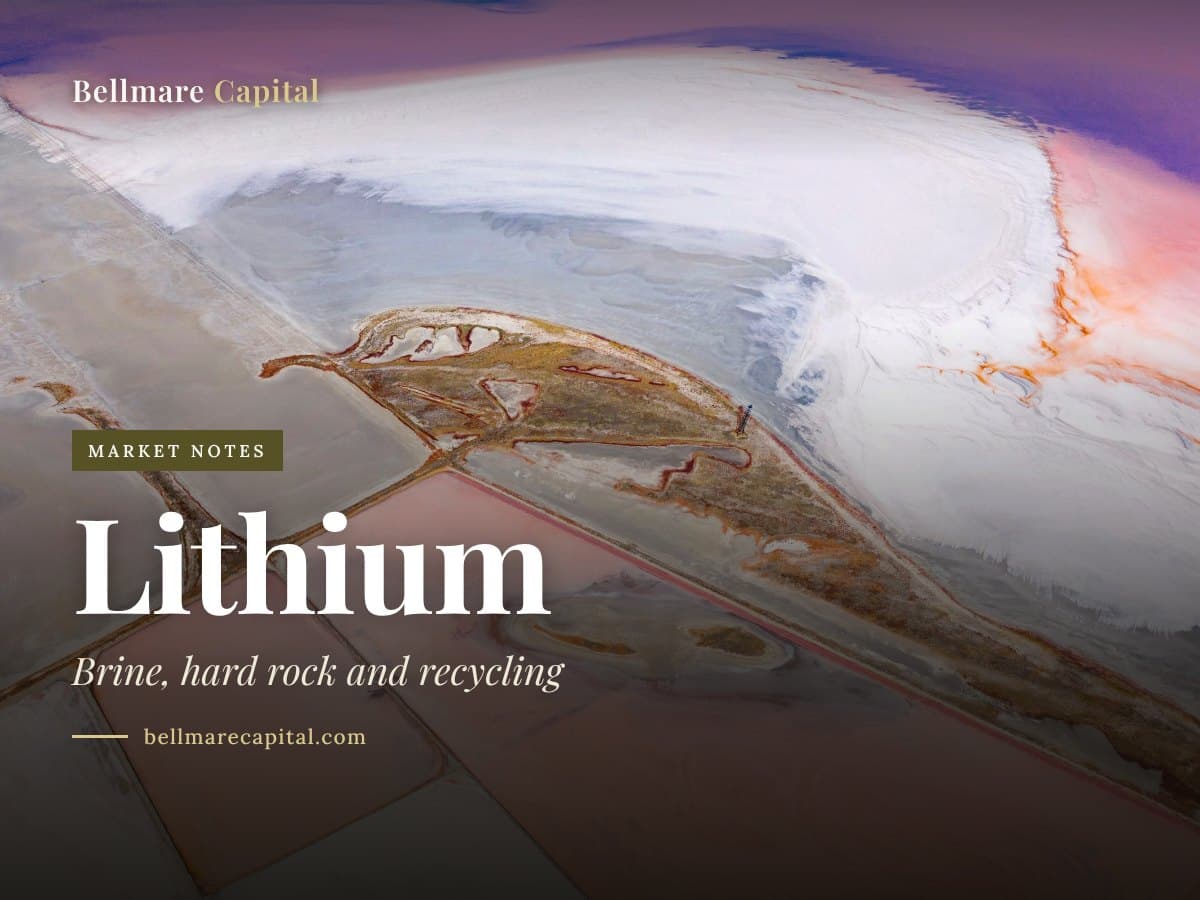
Lithium Supply Chains: Brine, Hard Rock, and Recycling
Lithium comes from three main sources: South American brines, hard rock spodumene mines, and (eventually) battery recycling. Here is how the...
How Copper Demand Tracks the Energy Transition
Electrification, renewable generation, grid build-out, and electric vehicles all use significantly more copper than legacy alternatives....
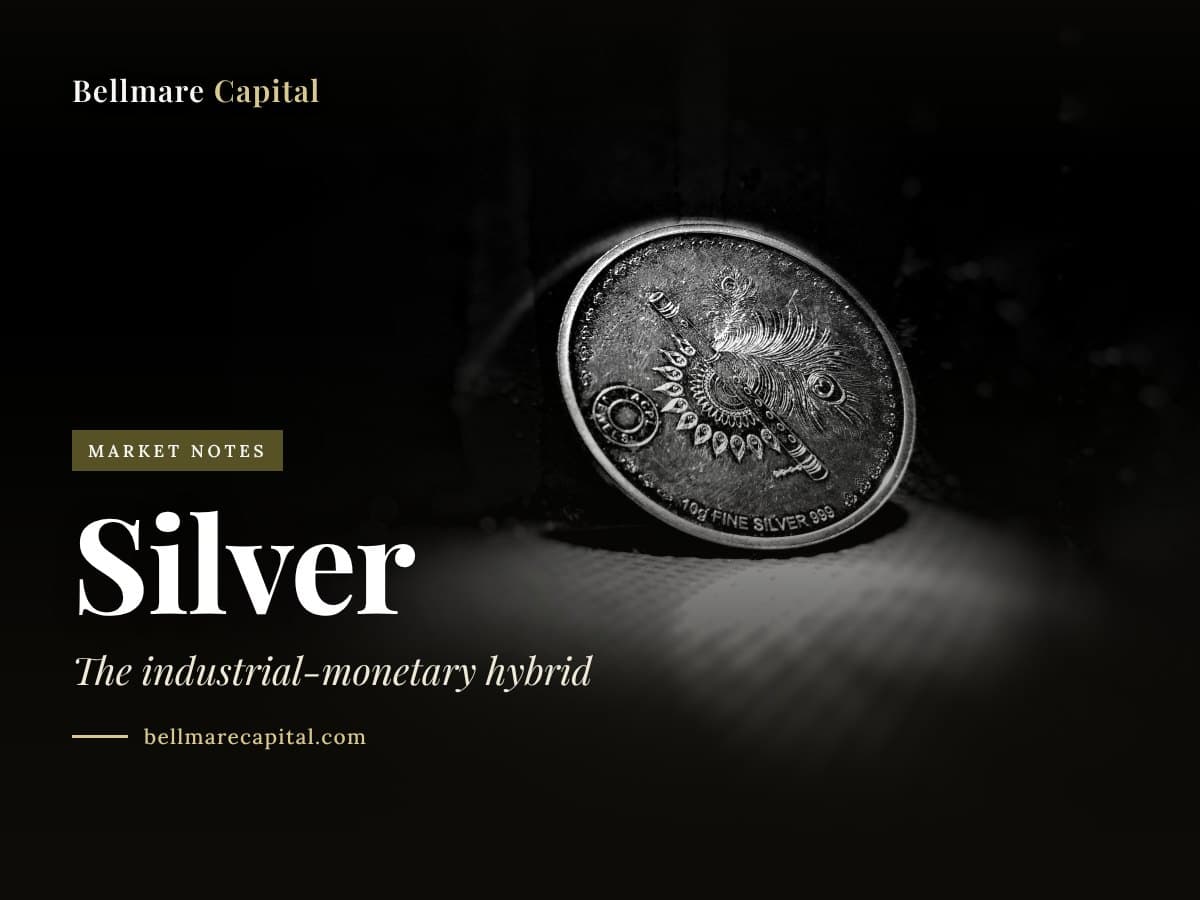
Silver: The Industrial-Monetary Hybrid
Silver sits between an industrial metal and a precious metal. Here is how the supply and demand picture actually splits, and why that makes...

Why Gold Tends to Move With Real Interest Rates
Gold has historically traded inversely to real (inflation-adjusted) US interest rates. Here is the mechanism, the evidence, and what it...
NI 43-101 Resource Estimates Explained
Inferred, indicated, measured, probable, proven. A plain-language guide to the resource and reserve categories used in every Canadian junior...

How to Read a Junior Mining News Release
Junior mining news releases follow predictable patterns. Here is how to find the actual signal in a typical release, from drill results to...

Understanding Dilution in Junior Mining
Before reacting to a financing announcement, understand what dilution is, why it occurs, and how to evaluate it.
TSX vs TSXV vs CSE: A Plain-Language Guide to Canada’s Three Junior Exchanges
Canada hosts three of the world’s most active resource equity markets. Here is what each one is, how it works, and what investors should...
Four Types of Junior Mining Companies, Explained
Before investing in a mining stock, understand what kind of business you are actually buying.