- Government guidance groups a mine's life into exploration, development and construction, operation, and closure and reclamation.
- Natural Resources Canada says that once a promising showing is found, it usually takes at least 7 to 10 years before a new mine starts, and fewer than 1 in 10,000 showings become mines.
- Most TSXV and CSE juniors are explorers. Each stage only starts if the last one produced good enough results.
Introduction
A mine is the end of a long chain of decisions. Before anything is built, someone has to find mineralization, show that there is enough of it, work out whether it can be mined at a profit, get permission, raise money and build. After the mine runs out, it has to be closed and the land reclaimed.
Junior mining companies on the TSXV and CSE mostly live at the start of that chain. Understanding the whole cycle helps you see where a company is, what it still has to do, and why timelines in this business are measured in years.
Each stage is a gate. A project only goes through if the stage before it produced good enough results.
The Four Phases
Natural Resources Canada's guide to exploration and mining organizes the mineral development cycle into four phases: mineral exploration, mine development and construction, mine operation, and mine closure and reclamation. Environment and Climate Change Canada's Environmental Code of Practice for Metal Mines uses a similar four-part split: exploration and feasibility, planning and construction, operations, and closure.
Within those phases, a project moves through more specific steps. The sections below follow them in order.
Discovery and Delineation
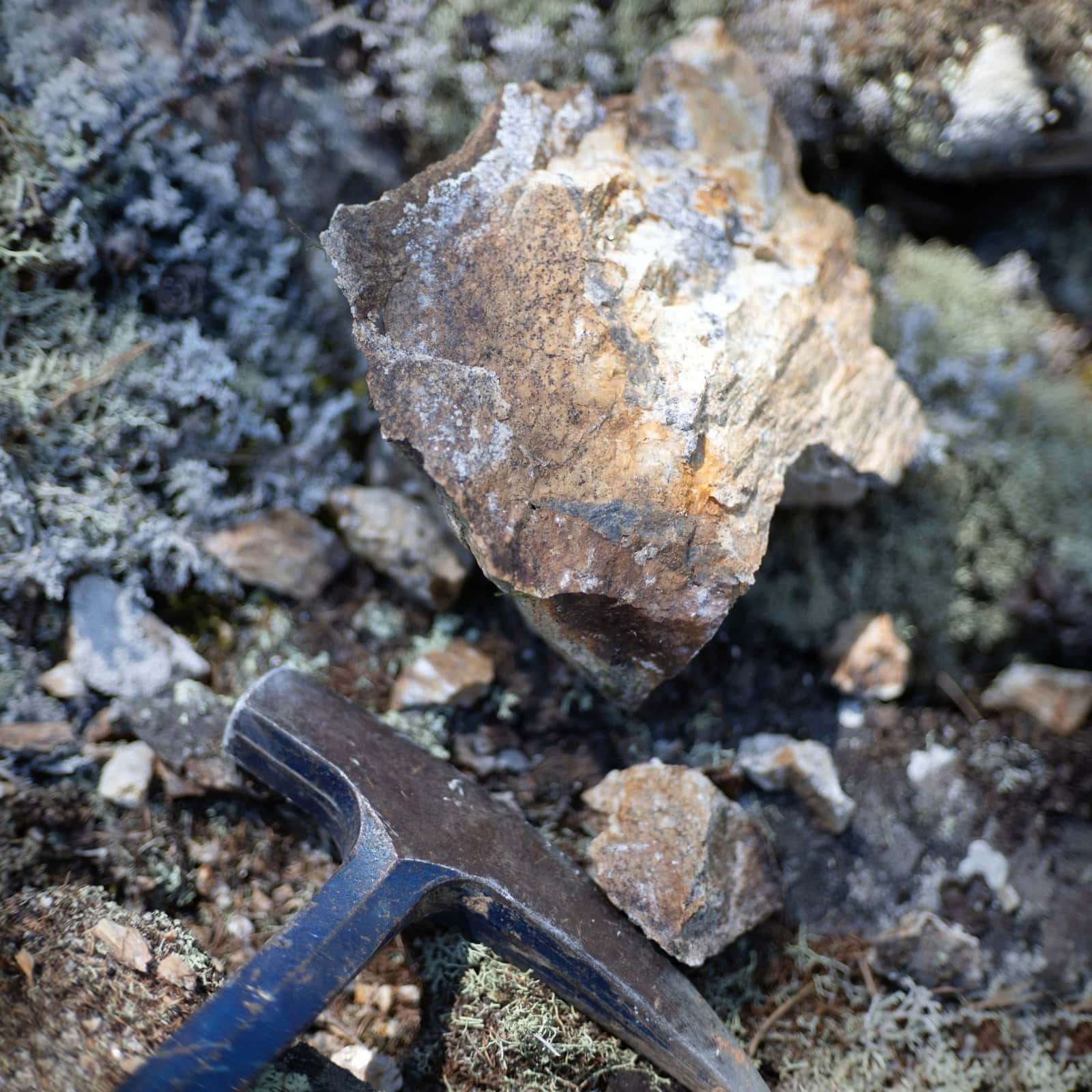
Exploration starts with prospecting, mapping, sampling and geophysics, and moves on to drilling. NRCan describes exploration as results-driven: if positive results are not achieved, a project may not continue to the next phase.
The odds are long. NRCan's guide says fewer than 1 in 10,000 mineral showings discovered actually become a mine. A property may be explored many times, by different companies, without success, and may change hands several times along the way.
When drilling does find something, the next job is delineation: drilling enough holes, closely enough, to estimate the size and grade of the deposit. That leads to a mineral resource estimate, prepared under National Instrument 43-101. Our guide to NI 43-101 resource estimates explains the resource categories.
Studies
A resource is not a mine. The next step is to study whether mining it could be economic. In Canada that usually means a progression of studies, from a preliminary economic assessment to a pre-feasibility study and a feasibility study, each with more engineering, test work and cost detail than the last. Alongside the studies come metallurgical testing, environmental baseline work and engagement with communities.
NRCan's guide estimates two to three years for test work and studies, including environmental and feasibility studies, once a project reaches development.
Permitting
A mine needs approvals before construction. Depending on the project and where it is, that can include a federal or provincial environmental assessment and a range of permits and licences covering land, water, waste and the mine itself. NRCan's guide puts environmental assessment and permitting at one to three years.
A closure plan is part of this stage, not an afterthought. NRCan describes the mine closure and reclamation plan as an important step in planning, with financial assurance, such as a bond, generally required to cover closure costs.
Financing and Construction
Building a mine requires far more money than exploring for one. NRCan's guide notes that work in each phase of the cycle can take many years and cost hundreds of millions of dollars. Financing for construction can combine several sources, such as equity, debt, streams and partnerships.
NRCan's guide estimates two to four years to build the mine and its supporting infrastructure. Across test work, permitting and construction, it says mine development can take anywhere from 7 to 10 years, depending on location, size, complexity and the regional review process.
Production
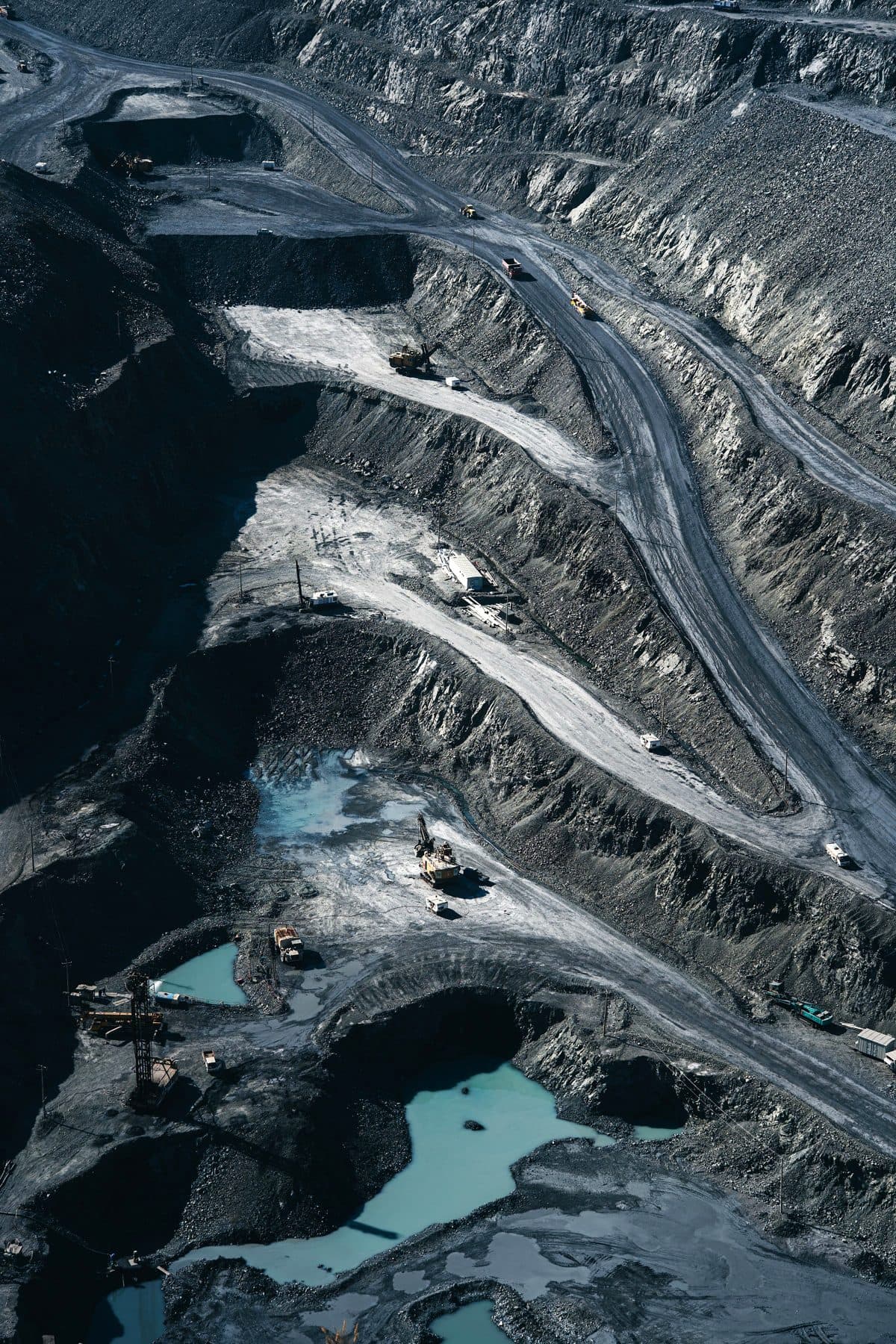
Once a mine is running, it earns money, and only then can it repay its construction costs. NRCan notes that a mine's operating life can be as short as several years or as long as several decades, depending on factors such as the size of the deposit, ground conditions, commodity prices and location. NRCan also notes that larger mining companies typically focus their exploration on expanding resources at existing mines.
Closure and Reclamation
Mine closure is the last phase. NRCan describes it as the orderly, safe and environmentally sound conversion of an operating mine to a closed state. Because deposits are finite, every mine eventually closes, most commonly because the ore runs out or metal prices fall too low.
The licensed mine owner is responsible for closure, decommissioning, reclamation and post-closure, and governments require financial assurance to make sure the costs are covered. ECCC's code describes closure as including site clean-up, reclamation, rehabilitation, maintenance and environmental monitoring.
Where Juniors Usually Sit
Most TSXV and CSE mining companies are explorers. Some have a resource and are working through studies. Fewer are permitting or financing a mine, and only a small number build and run one. NRCan's guide notes that larger companies use profits from their mines to fund exploration or to acquire properties from prospectors and junior companies.
NRCan points out that junior explorers have no operating mines and no other sources of income, so they depend on the capital markets to fund their work. That is why the cycle matters to shareholders: every stage costs money, usually raised by issuing shares, before any revenue arrives.
What to Check
- The stage. Exploration, resource, study, permitting, construction or production, stated in the company's own filings.
- The next gate. What the company has to achieve next, and what could stop it.
- The timeline. Whether stated timelines fit the years each stage usually takes.
- The money. Cash on hand against the cost of the next stage, from the latest MD&A.
- The technical report. On SEDAR+, it describes the property, the work done and what is recommended next.
The mine life cycle is long, expensive and uncertain at every step. Knowing where a company sits on it is the first step in reading its news. For decisions, use the filings and speak with your own adviser.
Frequently asked questions
- Exploration and Mining Guide for Aboriginal Communities, Natural Resources Canada, 2013-04-03. Published 2013 with industry and federal partners; date is the catalogue record date
- Environmental Code of Practice for Metal Mines, Chapter 2, Environment and Climate Change Canada, 2017-09-10
- Form 43-101F1 Technical Report (unofficial consolidation), Ontario Securities Commission, 2011-06-30
This article is published by Bellmare Capital, a brand operated by Apollo Shareholder Relations, for information and education only. It is not investment advice, a recommendation, or an offer or solicitation to buy or sell any security. Bellmare Capital is not a registered investment adviser or dealer, and this is not independent research.
Apollo Shareholder Relations provides paid investor relations, marketing and communications services to public companies, including companies in the sectors Bellmare Capital writes about, and may be compensated in cash or securities. Apollo, its principals, employees and contractors may hold securities of companies discussed and may buy or sell them at any time. Where an article covers a company that pays Apollo, it is labelled Sponsored at the top with the compensation and holdings.
Information comes from public filings and other sources believed to be reliable, but its accuracy and completeness are not guaranteed, and it may be out of date. Small cap and junior resource companies are speculative and volatile, and investors can lose their entire investment. Bellmare Capital and Apollo Shareholder Relations accept no liability for any loss arising from use of this content. Read each company's own filings on SEDAR+ and consult a registered adviser before acting.
Get the next one by email.