- Exploration moves from cheap, broad methods such as mapping and sampling to expensive, focused drilling. Each stage narrows the target.
- Until a mineral resource is estimated, Canadian rules bar a company from stating tonnes and grade for a deposit, except as a clearly cautioned exploration target range or a historical estimate disclosed with its required cautions.
- Most exploration projects never become mines. Each stage is a test, and a failed test is the most common outcome.
Introduction
Junior exploration companies on the TSXV and CSE sit at every point along a long road. Some hold a few claims and a geological idea. Others are drilling their hundredth hole and preparing a resource estimate. The news releases can sound similar, but the information behind them is very different.
This guide walks through the usual stages of exploration, from the first field visit to the first mineral resource, and explains what each stage can and cannot show.
Exploration is a funnel. Each stage is cheaper to fail than the next, and most projects stop somewhere along the way.
Stage One: Prospecting and Compilation
Most projects start at a desk. Geologists look at government geological maps, past survey data and records of earlier work, then decide which ground is worth acquiring. In Canada, mineral claims are acquired under provincial or territorial rules.
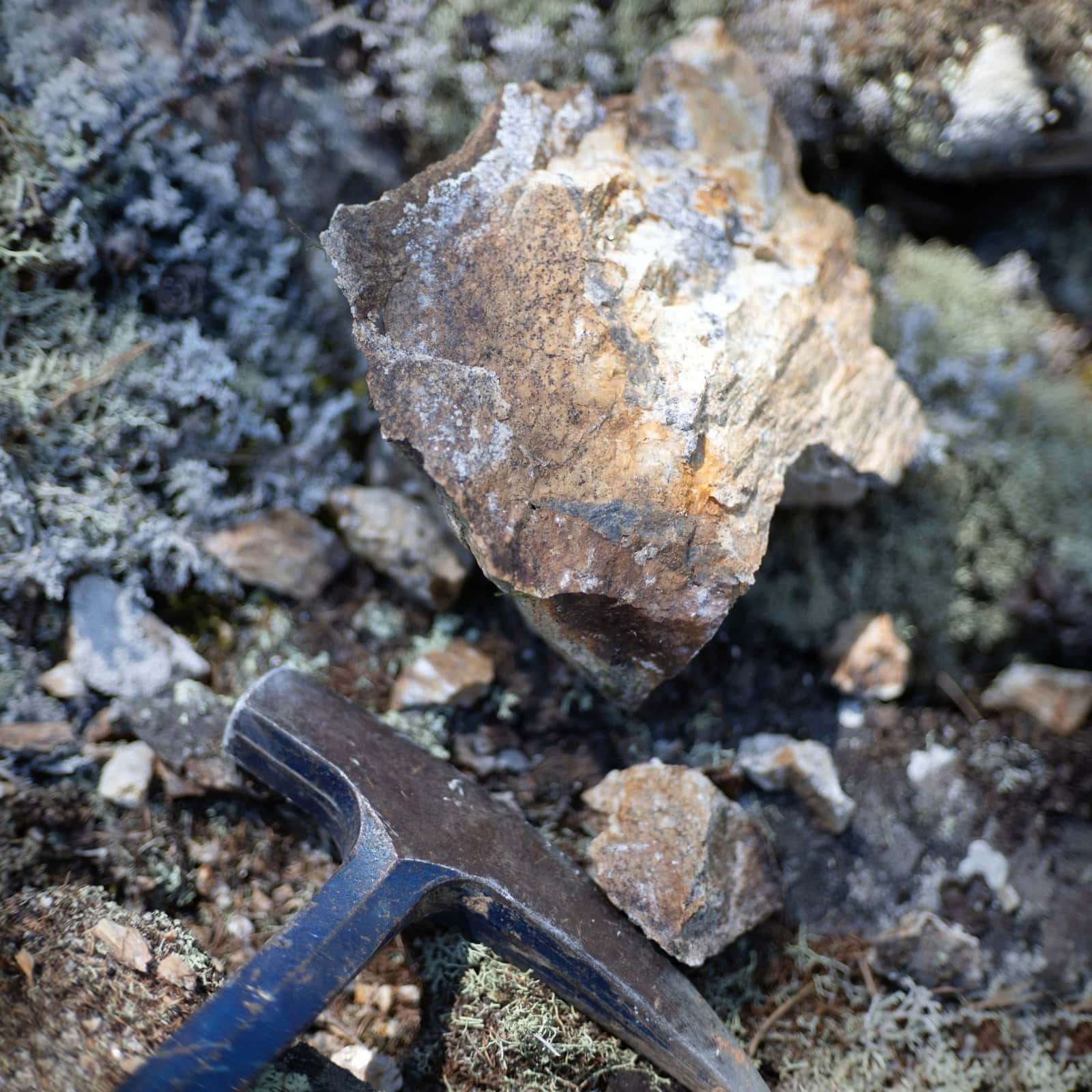
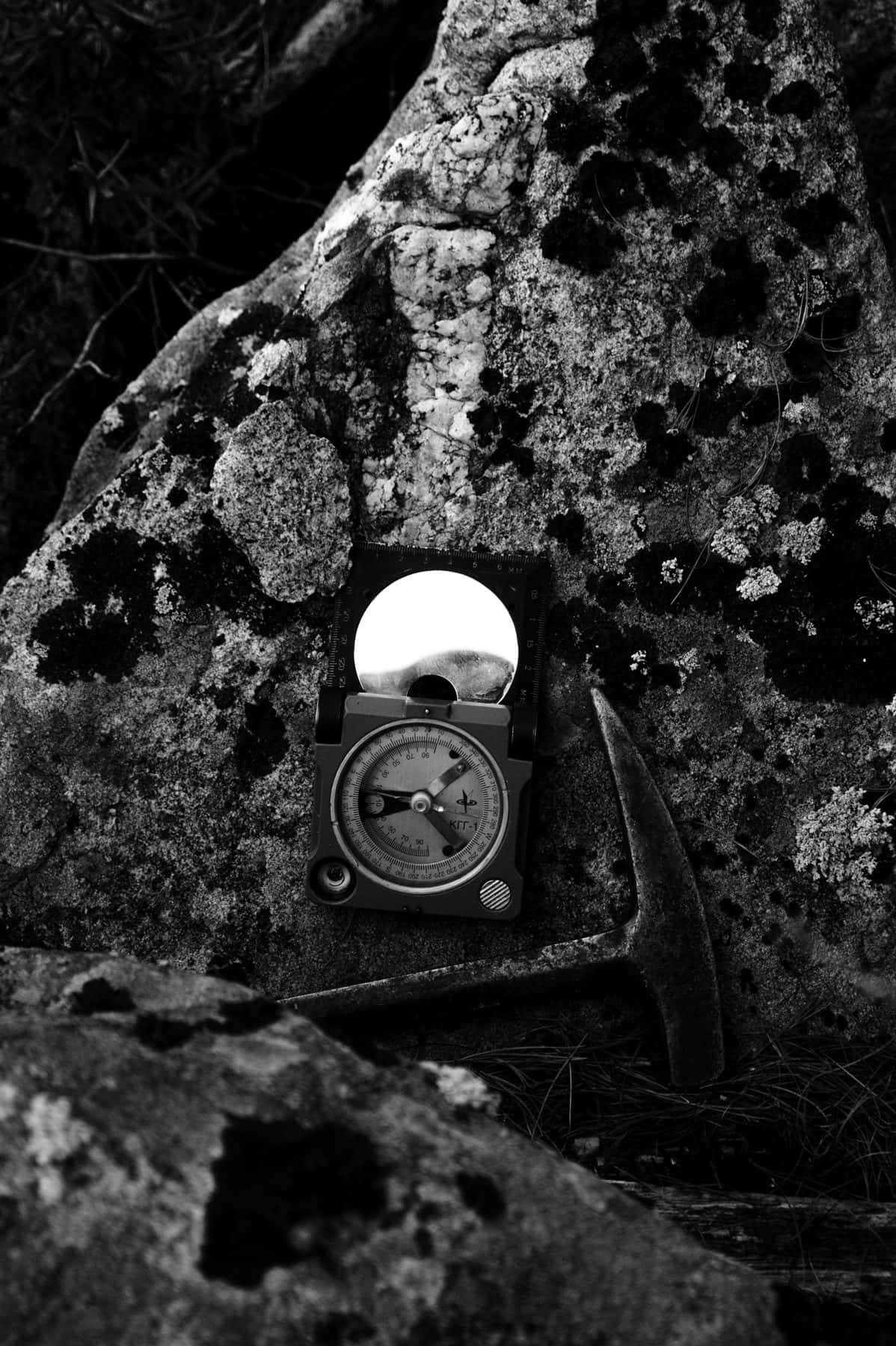
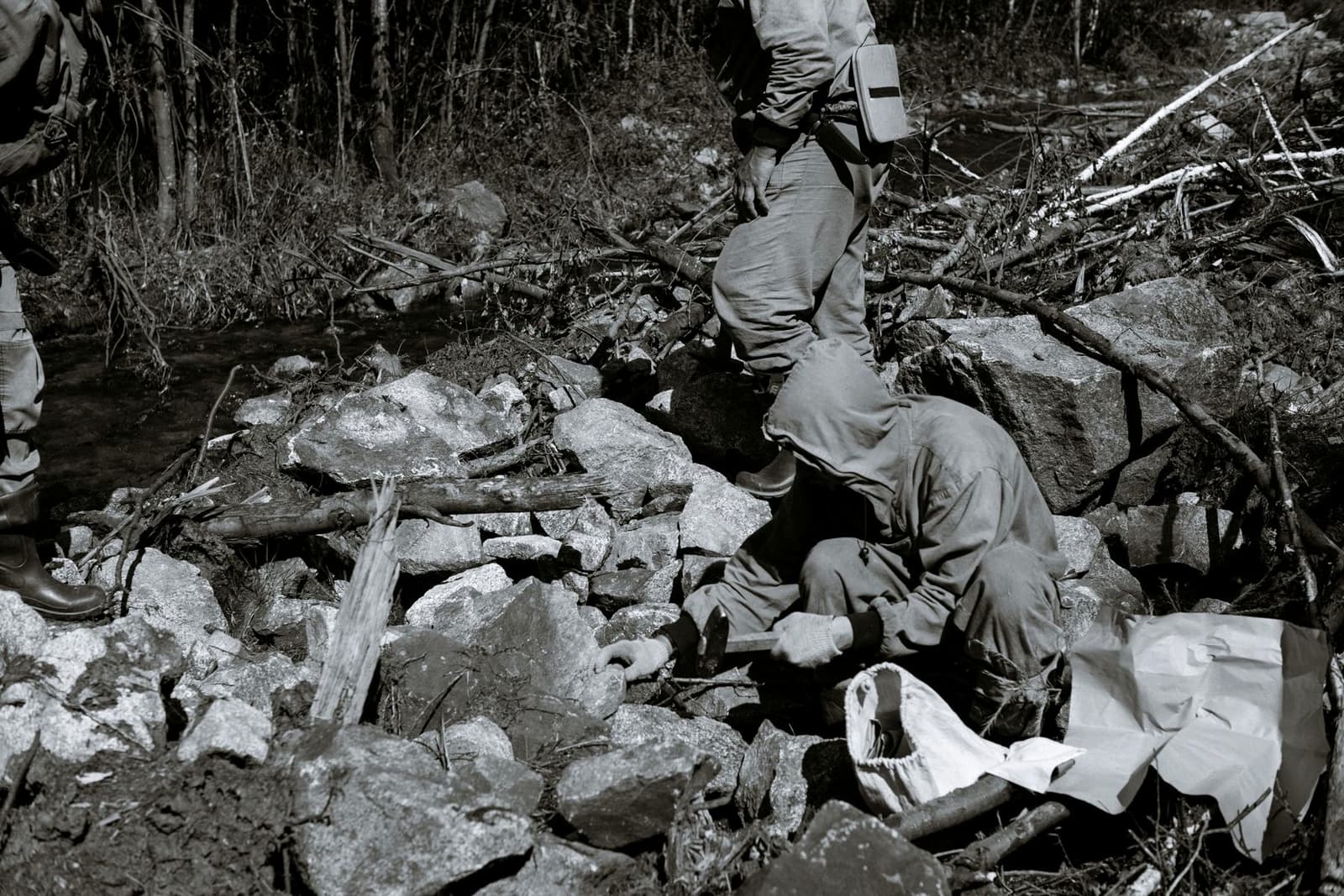
Early field visits follow: walking the ground, looking at outcrops, and collecting a first round of rock samples.
What it can show: that the geology is the right kind for the deposit type being sought, and that some mineralization exists.
What it cannot show: whether anything economic is there. Historical results may not meet today's standards, and early rock samples are often picked because they look mineralized.
Stage Two: Mapping and Surface Sampling
Systematic geological mapping records rock types, structures such as faults and folds, and alteration. Sampling moves from individual rocks to grids:
- Rock samples from outcrop. A grab sample is selective, chosen by the geologist, so its grade says little about the rock around it.
- Soil, till and stream sediment samples, which can reveal metal that has moved away from a buried source.
- Channel samples cut across an outcrop at a measured length, which are more representative than grab samples.
What it can show: where mineralization and favourable geology are concentrated on surface, and where to look next.
What it cannot show: what lies at depth, or how big or continuous anything is.
Stage Three: Geophysics
Geophysical surveys measure physical properties of the rock from the air or the ground. According to the USGS, the magnetic method maps the distribution of magnetic minerals, mainly magnetite, and the induced polarization method responds to disseminated metallic grains and also to clays. Electromagnetic surveys look for electrically conductive bodies.
What it can show: buried structures and zones with the physical signature of the target, often under soil, glacial cover or water.
What it cannot show: what is causing the response. Many non-economic rocks produce similar signals. A separate guide covers how targets are generated in more detail.
Stage Four: First Drilling
Drilling is expensive, so it is used selectively, and the first holes test the best targets from the earlier work. A first program might be a handful of holes. The results either confirm mineralization at depth, show something weaker or different, or show nothing of interest.
What it can show: that mineralization exists below surface at a given point, with a measured grade over a measured length.
What it cannot show: size or continuity. A single good hole is a point in a large volume of rock. Drill intercepts are reported as core lengths, which may differ from true width; our true width calculator shows how.
Form 43-101F1 asks technical reports to describe the type and extent of drilling and any drilling, sampling or recovery factors that could materially affect the accuracy and reliability of the results.
Stage Five: Step-Out and Infill Drilling
If early holes succeed, drilling expands in two directions:
- Step-out drilling places holes away from known mineralization to test how far it extends along strike and down dip.
- Infill drilling places holes between existing ones to tighten the spacing, which tests whether grade and thickness hold up between holes.
What it can show: the outline and continuity of a mineralized body, and whether grade is consistent or patchy.
What it cannot show: whether the body can be mined at a profit. Metallurgy, depth, costs and many other factors remain open.
Stage Six: The First Resource Estimate
When there is enough drilling, a qualified person can estimate a mineral resource, classified by confidence as inferred, indicated or measured. A separate guide covers the categories.
The rules before this point matter. Under NI 43-101, an issuer must not disclose the quantity, grade or metal content of a deposit that has not been categorized as a resource or reserve. There are two exceptions. One is a historical estimate made before the issuer's involvement, which can be disclosed only with the cautions section 2.4 requires. The other is an exploration target: an issuer may disclose its potential quantity and grade as ranges, but only if it states with equal prominence that the target is conceptual, that there has been insufficient exploration to define a resource, and that it is uncertain whether further exploration will result in one, and explains how the ranges were determined.
What it can show: a defined body of mineralization with stated tonnes, grade and confidence level.
What it cannot show: that a mine is economic. A resource is not a reserve. Economic studies come next, and many resources are never mined.
The Funnel
At every stage, most projects stop. A Victorian government guide to exploration describes the likelihood of exploration activity leading to a mine as very low. A project that drops a property after disappointing results is often working as intended: money is saved for better targets.
For readers, this means the stage matters more than the tone of the release. A strong surface sample and a strong resource estimate are not the same kind of news.
What to Check
- Which stage the project is at, and whether the release language matches it.
- Sample type. Grab, channel, soil or drill core, and how representative each is.
- Drill hole count and spacing. One hole is a point; many holes on a tight spacing support continuity.
- Exploration target ranges. If any are given, whether the required cautions appear with equal prominence.
- The technical report. Its exploration and drilling sections describe the work, the sampling and its limits.
Technical reports and news releases are filed on SEDAR+. Read them in full, and speak to your own adviser before making any investment decision.
Frequently asked questions
- National Instrument 43-101 Standards of Disclosure for Mineral Projects, consolidation effective June 9, 2023, Canadian Securities Administrators (via Alberta Securities Commission), 2023-06-09
- Form 43-101F1 Technical Report, Canadian Securities Administrators (via Alberta Securities Commission), 2011-06-30. Date is the form's effective date
- What Does Minerals Exploration Involve?, Minerals Development Victoria, State Government of Victoria (Australia), 2020-12-01. Dated December 2020; no day is stated
- Application of Geophysical Techniques to Minerals-Related Environmental Problems (Open-File Report 01-458), U.S. Geological Survey, 2001-01-01. Published 2001; no day is stated
This article is published by Bellmare Capital, a brand operated by Apollo Shareholder Relations, for information and education only. It is not investment advice, a recommendation, or an offer or solicitation to buy or sell any security. Bellmare Capital is not a registered investment adviser or dealer, and this is not independent research.
Apollo Shareholder Relations provides paid investor relations, marketing and communications services to public companies, including companies in the sectors Bellmare Capital writes about, and may be compensated in cash or securities. Apollo, its principals, employees and contractors may hold securities of companies discussed and may buy or sell them at any time. Where an article covers a company that pays Apollo, it is labelled Sponsored at the top with the compensation and holdings.
Information comes from public filings and other sources believed to be reliable, but its accuracy and completeness are not guaranteed, and it may be out of date. Small cap and junior resource companies are speculative and volatile, and investors can lose their entire investment. Bellmare Capital and Apollo Shareholder Relations accept no liability for any loss arising from use of this content. Read each company's own filings on SEDAR+ and consult a registered adviser before acting.
Get the next one by email.