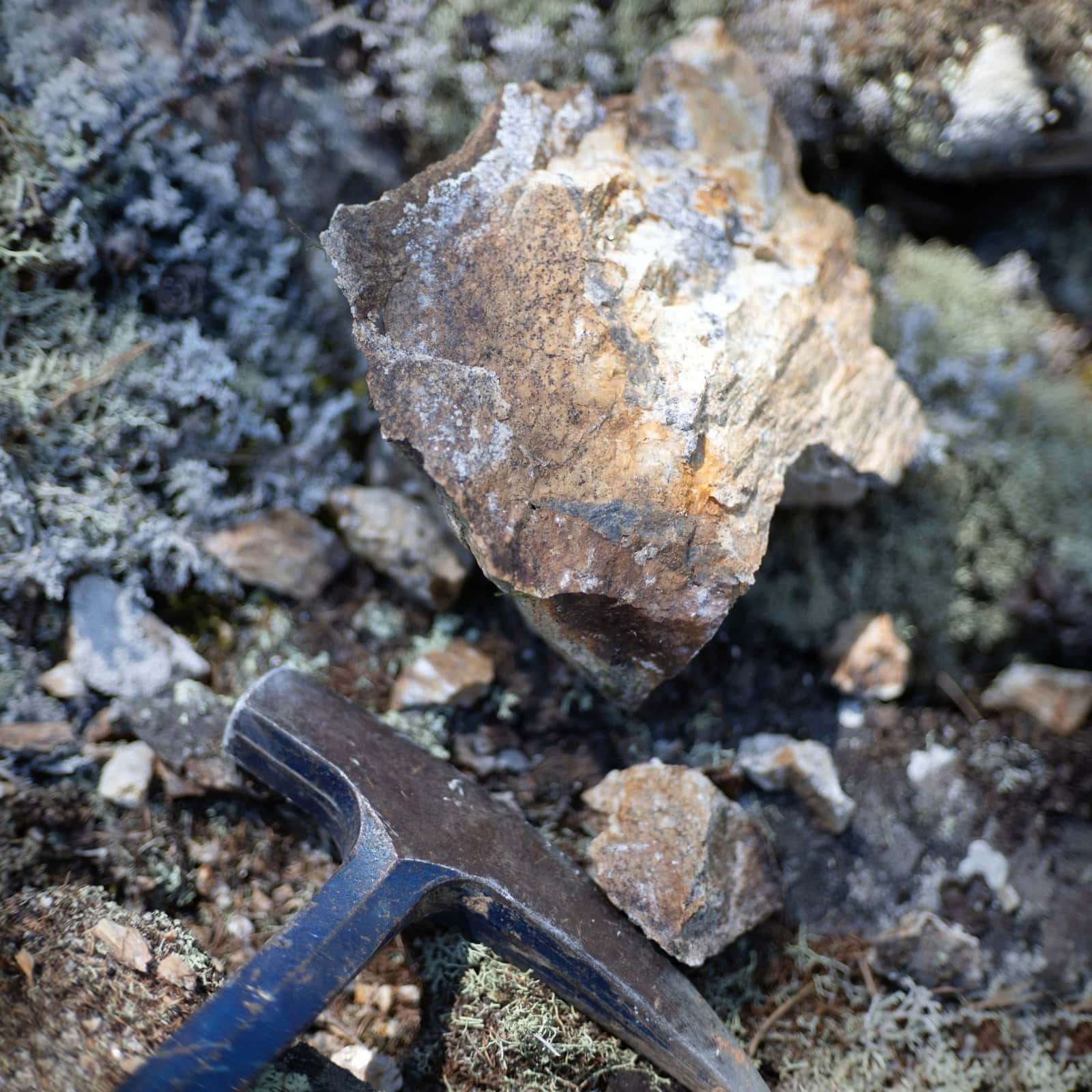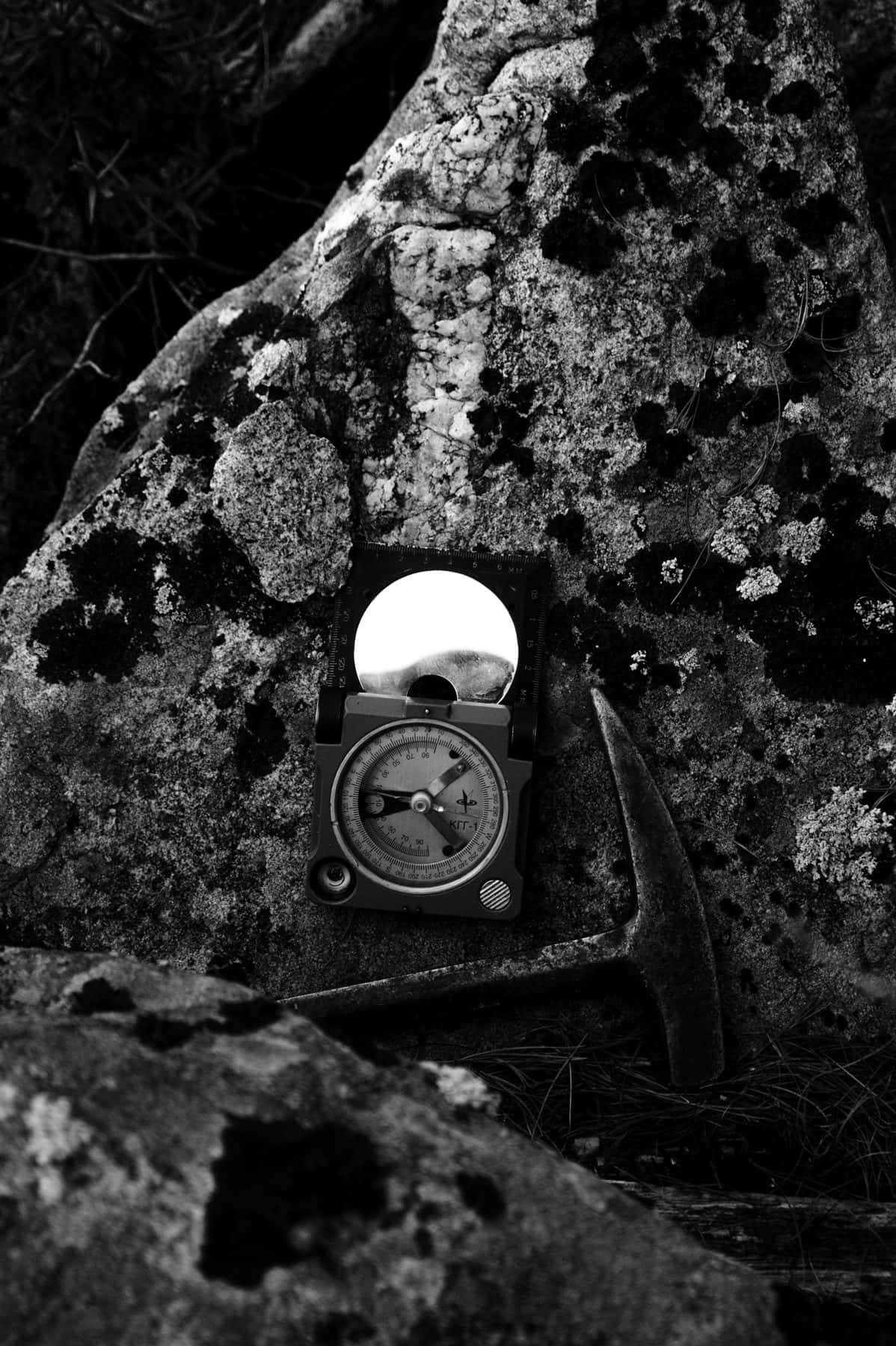
- Prospecting, mapping and sampling usually happen in summer, when the ground is clear of snow.
- Some ground, such as wetlands and lakes, is easier to reach and drill in winter, when it is frozen.
- Assays take time, so results often arrive in batches weeks or months after the work, not on a steady schedule.
Introduction
Junior mining news does not arrive at an even pace. A company can go quiet for months and then put out several releases in a few weeks. Much of that rhythm comes from something simple: Canada's climate.
Most exploration ground in Canada is snow-covered for part of the year, and much of it is remote. When a crew can work, what it can do, and how quickly results come back are all shaped by the season. Understanding that calendar helps you read a company's news flow without reading too much into it.
The weather sets the field calendar. The lab sets the news calendar.
The Summer Field Season
Natural Resources Canada describes prospecting, the initial search for mineral showings, as usually taking place in summer, when there is little or no snow cover. Summer is when crews can see and sample the rock.
Typical summer work includes:
- Prospecting and mapping. Walking the ground, breaking rock, recording geology.
- Geochemical sampling. Collecting soil, rock and stream sediment samples.
- Geophysical surveys. Ground surveys along cut lines, and airborne surveys by fixed-wing aircraft or helicopter.
- Trenching and stripping. Exposing bedrock under the overburden.
- Drilling. On ground that can be reached by road, trail or helicopter.
In remote areas, the work runs from a camp. NRCan notes that a camp can be a few tents or trailers and may stay in place for a few seasons. Getting people, fuel and equipment in and out is a large part of the cost, and of the planning.
For an investor, this means the field season is usually when a company spends the largest part of its exploration budget. The results of that spending tend to arrive later, once samples have been through the lab, so the cash goes out well before the news comes in.
Winter Drilling
Winter does not stop all exploration. On some properties it is the best time to drill. Swamps, muskeg and lakes that are hard to cross in summer freeze solid enough to carry equipment.
Government guidance reflects this. The Mineral Exploration Guidelines for Saskatchewan include a best management practice specifically for drilling on ice. They also say clearing with heavy machinery should be limited to frozen or dry and stable ground where possible, and that applicants should consider access over frozen water bodies to reduce impacts on land.
In the far north, the frozen season also opens supply routes. The Government of the Northwest Territories publishes opening and closing dates each season for its winter roads, ice roads, ice crossings and private mining roads. When a route like that is open, heavy loads can move overland; when it closes, the window has passed.
The result is that a company may have two distinct programs a year: a summer program on dry ground and a winter program on ground that is only reachable when frozen. Between them, the spring thaw and the autumn freeze-up can make access difficult.
The Lab Queue
Samples from drilling and surface work go to a laboratory for analysis. Before results are released, a few things have to happen:
- Shipping. Samples travel from site to the lab, which for a remote camp can itself take time.
- Preparation and analysis. The lab crushes, splits and analyzes the samples. Some methods take longer than others.
- Quality control. The company checks its blanks, standards and duplicates. Failed checks can mean re-assays.
- Review. A qualified person reviews the data before the company discloses it.
How long all this takes varies with the lab's workload, the methods used and the number of samples. When many companies finish their field programs at the same time, labs get busier. That is one reason results from the same season can trickle out over months.
Why News Arrives in Clusters
Put the pieces together and the pattern makes sense:
- Field work bunches into seasons. Samples are collected in concentrated windows.
- Assays come back in batches. A company often receives results for several holes at once.
- Disclosure follows the data. Canadian law requires companies to disclose a material change immediately, and National Policy 51-201 notes the Supreme Court of Canada has held that a change in assay and drilling results was a material change. The same policy says unfavourable news must be disclosed as promptly as favourable news.
- Financing follows the calendar too. NRCan points out that junior explorers have no operating mines or other income and depend on the capital markets for exploration money, so programs and financings tend to travel together.
None of this makes any company's timing predictable. Weather delays, equipment problems, permits, lab backlogs and financing all move dates. A release schedule in a presentation is a plan.
Reading the Calendar Sensibly
Some practical points for following a junior through its year:
- Silence is not news. A company waiting on assays may have nothing to say yet. A long quiet stretch is a reason to check filings, not a conclusion.
- Results are not all equal. A batch of releases after a program may include the best holes and the weakest. Read all of them, including the ones that get less attention.
- Watch the spending. The quarterly MD&A shows what the company spent on exploration and what cash it has left. The cash runway calculator can help frame how long that lasts.
- Know the access. A technical report describes the property's accessibility and climate, which tells you when work is practical.
What to Check
- The program description. What work the company plans, where, and in which season.
- Access and climate. The relevant section of the technical report on SEDAR+.
- Samples outstanding. Many releases say how many samples are still at the lab.
- Quality control. Releases with results should describe the lab and the checks used.
- Cash against plans. Whether the company has funded the season it describes.
The exploration calendar explains much of the rhythm of junior mining news. It does not tell you what the results will be. For decisions, rely on the filings and your own adviser.
Frequently asked questions
- Exploration and Mining Guide for Aboriginal Communities, Natural Resources Canada, 2013-04-03. Published 2013 with industry and federal partners; date is the catalogue record date
- Mineral Exploration Guidelines for Saskatchewan 2012, Government of Saskatchewan, 2012-01-01. Dated 2012; no day given
- National Policy 51-201 Disclosure Standards (unofficial consolidation), Ontario Securities Commission, 2023-06-09
- Winter Roads, Ice Roads, Ice Crossings, and Private Mining Roads Opening and Closing Dates, 1993/94 to 2020/21, NWT Bureau of Statistics, Government of the Northwest Territories, 2021-12-31
This article is published by Bellmare Capital, a brand operated by Apollo Shareholder Relations, for information and education only. It is not investment advice, a recommendation, or an offer or solicitation to buy or sell any security. Bellmare Capital is not a registered investment adviser or dealer, and this is not independent research.
Apollo Shareholder Relations provides paid investor relations, marketing and communications services to public companies, including companies in the sectors Bellmare Capital writes about, and may be compensated in cash or securities. Apollo, its principals, employees and contractors may hold securities of companies discussed and may buy or sell them at any time. Where an article covers a company that pays Apollo, it is labelled Sponsored at the top with the compensation and holdings.
Information comes from public filings and other sources believed to be reliable, but its accuracy and completeness are not guaranteed, and it may be out of date. Small cap and junior resource companies are speculative and volatile, and investors can lose their entire investment. Bellmare Capital and Apollo Shareholder Relations accept no liability for any loss arising from use of this content. Read each company's own filings on SEDAR+ and consult a registered adviser before acting.
Get the next one by email.