- Heap leaching stacks crushed or run-of-mine ore on a lined pad and applies a dilute cyanide solution. It is cheaper to build and run, suits lower-grade oxidized ore, and usually recovers less of the gold.
- Milling grinds ore to a fine pulp and leaches it in tanks, often with carbon-in-leach or carbon-in-pulp circuits. It costs more and recovers more, which suits higher-grade or harder ore.
- Sulfide or refractory ores may need flotation and an extra oxidation step before gold can be leached, which adds cost and complexity.
Introduction
Finding gold in rock is only half the job. The other half is getting it out, and at most hard-rock gold projects that means one of two approaches: leaching a heap of crushed rock on a lined pad, or grinding the rock in a mill and leaching it in tanks. Many projects also use gravity separation or flotation along the way.
The choice is not a matter of preference. It follows from the ore: its grade, how the gold occurs in it, and what else is in the rock. This guide explains the main methods in plain terms and what a metallurgy release is telling you. Recovery rates and cut-off grades have their own guides, so they are only touched on here.
The ore decides the process, and the process decides a large part of the economics.
The Chemistry in One Paragraph
Most gold in hard-rock deposits occurs as tiny particles in the rock. A dilute cyanide solution dissolves gold that it can reach. The gold-bearing solution is then run through activated carbon, which adsorbs the gold, or treated with zinc to precipitate it, a method known as Merrill-Crowe. The gold is then stripped, refined and poured. Both heap leaching and tank leaching rely on this chemistry. What differs is how finely the rock is broken and how the solution reaches the gold.
Heap Leaching
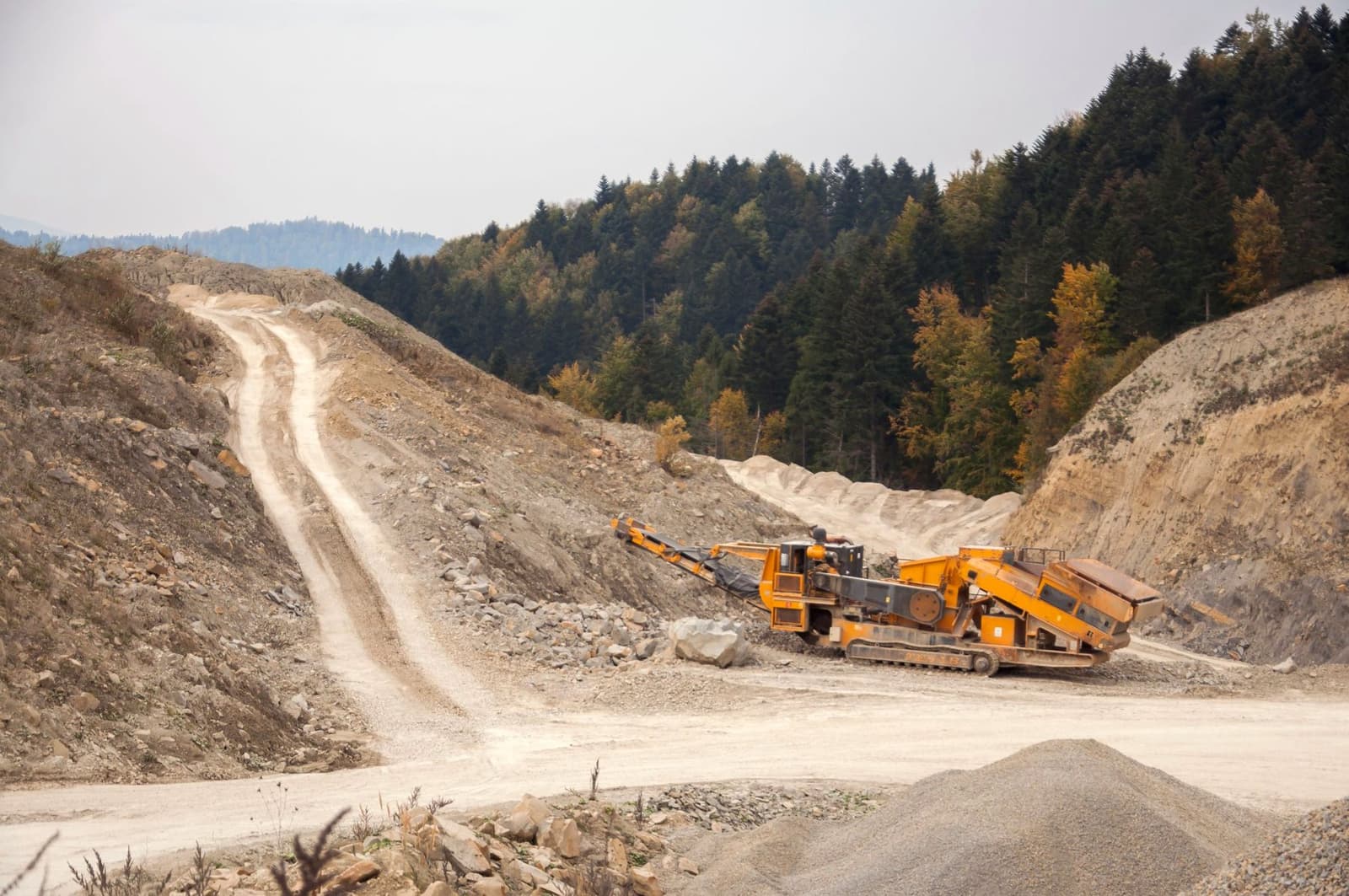
In a heap leach operation, as described in a U.S. Environmental Protection Agency technical review of gold processing:
- Ore is placed on a pad with an impermeable liner. Run-of-mine ore may be leached with little or no crushing; other ore is crushed and sometimes agglomerated first so solution flows evenly.
- Dilute cyanide solution is applied to the top of the heap by drip or spray and percolates down through the rock.
- Solution carrying dissolved gold collects on the liner and flows through ditches and pipes to ponds or tanks.
- Gold is recovered from the solution by carbon adsorption or zinc precipitation, and the barren solution is recycled to the heap.
The EPA review described heap leaching as relatively inexpensive for low-grade ores, with simplicity of design, lower capital and operating costs and shorter startup times than conventional tank leaching. It noted that heaps are typically built from lower-grade oxidized ore and put heap leach recoveries in a range of 60 to 80 percent.
The trade-off follows from the coarse rock. Solution only reaches gold on or near the surface of each particle and along cracks. Gold buried inside larger pieces stays there. That is why heap leaching works best on oxidized, permeable ore where the gold is easy to reach.
Milling and Tank Leaching
A mill crushes and then grinds the ore to a fine slurry, exposing far more of the gold to solution. The slurry is leached with cyanide in agitated tanks. Two common designs, as the EPA review described them:
- Carbon-in-pulp (CIP). The slurry is leached in one set of tanks, and activated carbon adsorbs the dissolved gold in a second set.
- Carbon-in-leach (CIL). Leaching and carbon adsorption happen at the same time in the same set of tanks.
Milling costs more to build and operate than heap leaching. It also generates fine tailings that must be stored safely in a tailings facility. In exchange it typically recovers a higher share of the gold, which is why it suits higher-grade ore, where each extra percentage point of recovery is worth more.
Gravity and Flotation
Gravity separation uses the fact that gold is much denser than ordinary rock. Coarse, free gold can be separated by gravity before leaching. The EPA review noted that gravity methods are used mainly at placer operations; in hard-rock plants, a gravity step can capture coarse gold that would otherwise leach slowly.
Flotation uses chemicals and air bubbles to float specific minerals, usually sulfides, into a concentrate. The EPA review described it as chiefly used on finely disseminated base metal ores, with gold recovered as a byproduct when the concentrate is smelted. At gold projects, flotation can concentrate gold-bearing sulfides into a smaller volume for further treatment or sale.
Why Ore Type Changes Everything
Near surface, weathering often oxidizes the rock, breaking down sulfide minerals and opening paths for solution. Deeper down, the same deposit may be fresh sulfide rock.
The EPA review noted that cyanide recovers less gold from sulfide ores, at higher cost, than from oxide ores, partly because cyanide reacts with other minerals. When gold is locked inside sulfides, the ore is called refractory, and it may need pretreatment to break the sulfides down first. The review listed roasting, pressure oxidation in autoclaves and bio-oxidation as pretreatment routes. Each adds capital and operating cost.
That is why a deposit can change character with depth. A shallow oxide zone might suit a low-cost heap leach, while the sulfide zone beneath needs a mill, and possibly flotation and oxidation. A study that applies oxide recoveries to sulfide material would overstate the result.
What a Metallurgy Release Is Telling You
Form 43-101F1, the format for technical reports under NI 43-101, asks companies to discuss the nature and extent of processing tests, the basis for any recovery assumptions, how representative the samples are of the deposit, and any processing factors or deleterious elements that could significantly affect economic extraction. A good release on test work reflects the same points:
- The test type. Small bench tests give a first indication. Larger tests that simulate the real process, such as column tests for heap leaching, carry more weight.
- The samples. Where they came from, and whether they represent the oxide, transition and sulfide zones the mine plan will use.
- The grind or crush size. Recovery at a fine grind will not apply to coarse heap leach material.
- The leach time and reagent use. High cyanide or lime consumption adds cost.
- Problem elements. Copper, arsenic, carbonaceous material and similar factors can interfere with recovery or add cost.
See our guide to reading a junior mining news release for the rest of the document, and the cut-off grade tool for how recovery feeds into which rock is worth processing.
What to Check
- The proposed process, and whether it matches the ore type in each zone.
- The recovery assumed in any study, and the test work behind it.
- How representative the samples are.
- Any refractory or deleterious material, and how the flowsheet deals with it.
- The trade-off. A cheaper process with lower recovery can be the right choice for low-grade ore. Look for the reasoning, not just the recovery number.
This is general information, not advice. Read the technical reports on SEDAR+ and speak to your own adviser before making any decision.
Frequently asked questions
- Technical Resource Document: Extraction and Beneficiation of Ores and Minerals, Volume 2: Gold (EPA 530-R-94-013), U.S. Environmental Protection Agency, 1994-08-01. Published August 1994; the document does not state a day
- Form 43-101F1 Technical Report (unofficial consolidation, current to June 30, 2011), Ontario Securities Commission, 2011-06-30
This article is published by Bellmare Capital, a brand operated by Apollo Shareholder Relations, for information and education only. It is not investment advice, a recommendation, or an offer or solicitation to buy or sell any security. Bellmare Capital is not a registered investment adviser or dealer, and this is not independent research.
Apollo Shareholder Relations provides paid investor relations, marketing and communications services to public companies, including companies in the sectors Bellmare Capital writes about, and may be compensated in cash or securities. Apollo, its principals, employees and contractors may hold securities of companies discussed and may buy or sell them at any time. Where an article covers a company that pays Apollo, it is labelled Sponsored at the top with the compensation and holdings.
Information comes from public filings and other sources believed to be reliable, but its accuracy and completeness are not guaranteed, and it may be out of date. Small cap and junior resource companies are speculative and volatile, and investors can lose their entire investment. Bellmare Capital and Apollo Shareholder Relations accept no liability for any loss arising from use of this content. Read each company's own filings on SEDAR+ and consult a registered adviser before acting.
Get the next one by email.