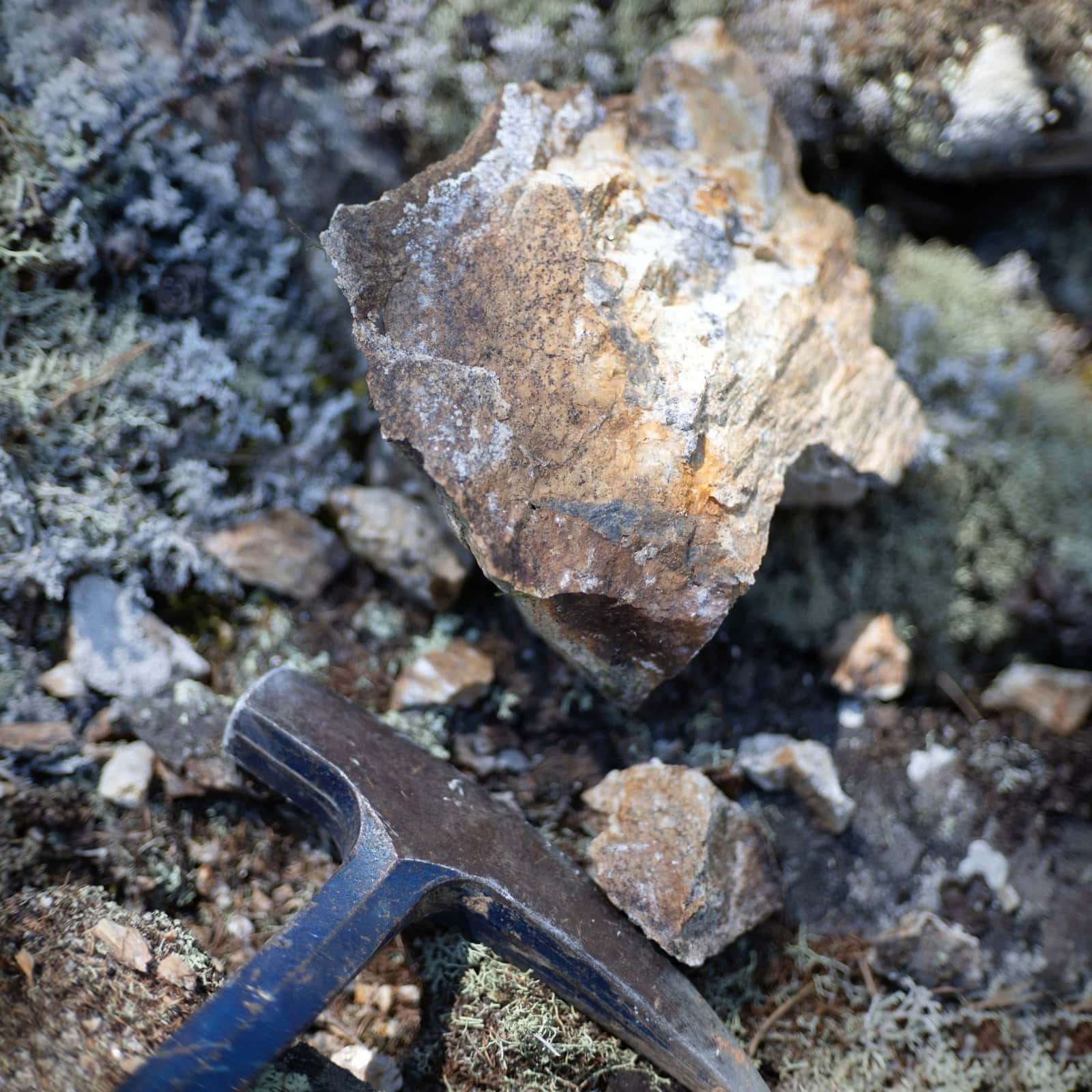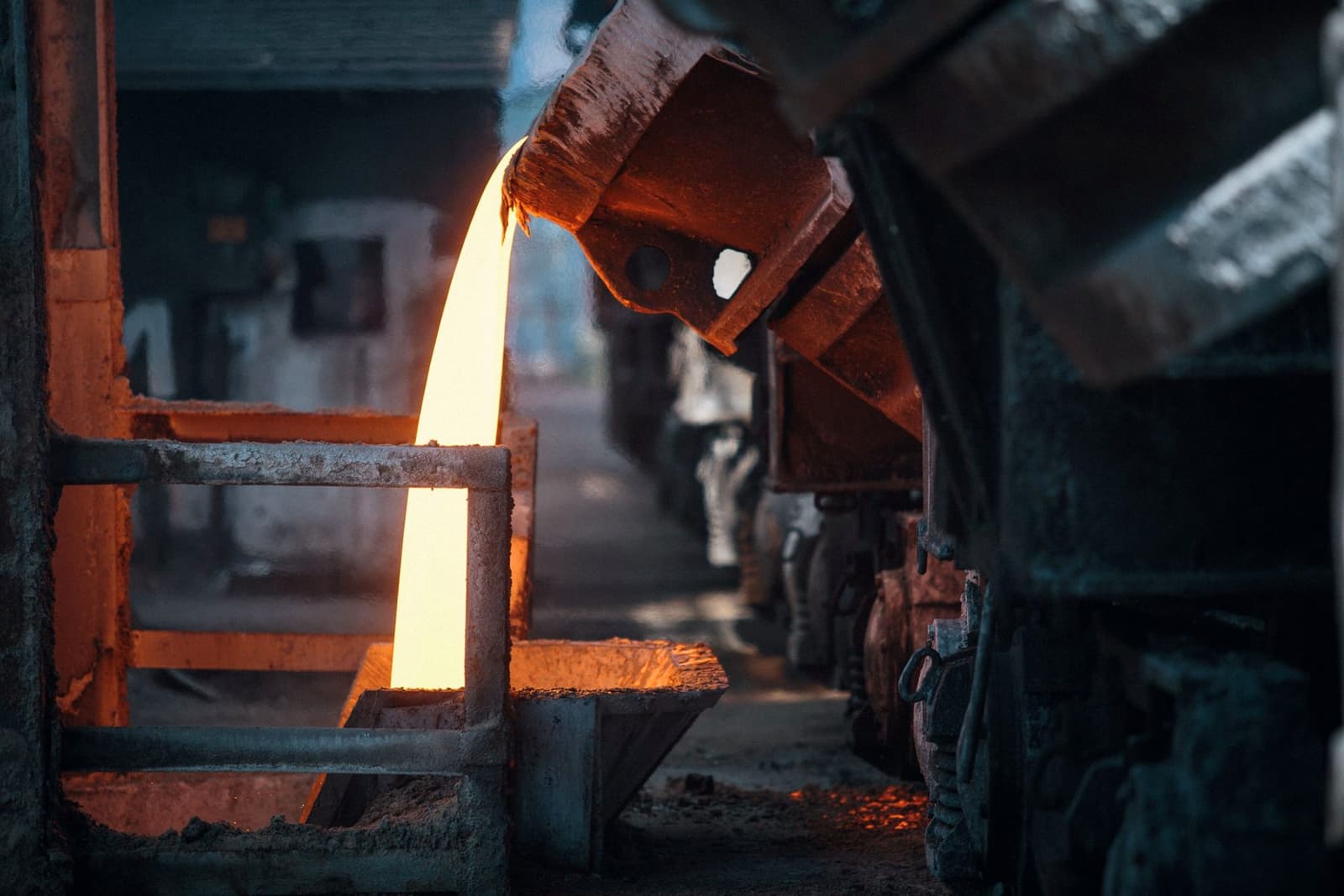
- Gold mines usually pour doré, a rough bar of mostly gold and silver, and send it to a refiner. Base metal mines usually ship concentrate, a powder that is still mostly other material, to a smelter.
- A smelter pays for only part of the metal in concentrate, then deducts treatment and refining charges and any penalties for harmful elements.
- In a study or a sales update, the payable terms and deductions can matter as much as the grade.
Introduction
A mine is often described by the metal it produces, but very few mines sell finished metal. Most sell an intermediate product to a specialist that does the final step. For a gold mine that product is usually a doré bar. For a copper, zinc, lead or nickel mine it is usually a concentrate.
The difference shapes how a mine is paid, what it costs to get the product to market, and what an investor should look for in a study or a production update.
Grade tells you what is in the rock. The sales terms tell you how much of it the company gets paid for.
Doré: The Gold Mine's Product
At many gold mines, the processing plant recovers the gold from the ore and melts it into bars on site. Those bars are doré: an alloy that is mostly gold and silver, with smaller amounts of other metals. Its exact makeup depends on the ore and the plant.
Doré is not market-grade bullion. It goes to a refiner, which removes the silver and impurities and casts the gold into bars that meet market standards. In London, the benchmark is the LBMA's Good Delivery standard. According to the LBMA, a Good Delivery gold bar must be at least 995 parts per thousand fine gold and weigh between 350 and 430 fine troy ounces, and only accredited refiners on the Good Delivery List can produce one.
The refiner pays the mine for the gold and silver it recovers, less a refining charge and any agreed deductions. Because doré is already mostly precious metal, those deductions are usually a small share of its value. Terms vary by contract.
Concentrate: The Base Metal Mine's Product
Base metal ore is usually crushed, ground fine and run through a separation process, most often flotation, that collects the valuable minerals into a concentrate. The result is a powder many times richer in metal than the ore, but still made up largely of other elements, such as the sulphur and iron in the minerals.
Turning concentrate into pure metal takes a smelter and then a refinery. Few mines own either, so most sell their concentrate to a smelter, which may be in another country.
Precious metals often travel inside base metal concentrate. Gold and silver in a copper deposit commonly report to the copper concentrate and are paid for under the smelter contract. The USGS notes that part of US gold output is recovered as a by-product of processing base metal ores, chiefly copper.
How a Smelter Pays
A concentrate sale is not priced on all the metal it contains. A typical contract works in layers:
- Payable metal. The smelter pays for a set share of the contained metal, not all of it, because some is lost in smelting and refining.
- Treatment charge. A fee per tonne of concentrate for smelting it.
- Refining charge. A fee per unit of payable metal for refining it to market grade.
- Penalties. Extra charges when the concentrate carries harmful elements above agreed limits.
A simple hypothetical shows the layers. Suppose a company ships 1,000 tonnes of concentrate grading 25% copper. That contains 250 tonnes of copper. If the contract pays for 96% of it, the payable copper is 240 tonnes. From the value of those 240 tonnes, the smelter deducts a treatment charge for each tonne of concentrate, a refining charge on the payable copper, and any penalties. These numbers are invented for illustration.
Treatment and refining charges are negotiated and move with the balance between mine supply and smelter capacity. They have at times fallen low enough that governments with smelting industries have objected publicly: in October 2025 the governments of Japan, Spain and the Republic of Korea issued a joint statement calling some copper treatment terms unsustainable.
Penalty Elements
Some elements cost a smelter money to handle. A 2013 AusIMM conference paper names arsenic, mercury and fluorine as examples in copper concentrate. They raise costs for worker health, environmental controls and waste disposal, and can lower the quality of the finished metal. Smelter contracts charge penalties when these elements exceed agreed limits, and very high levels can make a concentrate hard to sell at all.
This is why metallurgical test work matters early. A deposit with good grades but high arsenic, for example, may be worth less per tonne than its grade suggests.
Transport and Distance
Doré is compact and valuable. A mine's output can move in secure shipments, and transport is usually a small part of its value.
Concentrate is bulk material. It moves by truck, rail and ship, and the cost of getting it to a port and on to a smelter can be significant, especially for a remote mine. Distance to roads, rail and ports is one reason two deposits of similar grade can have very different economics.
Why It Matters for Juniors
Most juniors are years from selling anything, but their technical studies already assume a product and its terms. A copper explorer's economic study will assume a concentrate grade, payable percentages, treatment and refining charges, transport costs and possibly penalties. A gold explorer's study will assume doré, refining costs and recovery.
These terms flow into the net smelter return, the revenue figure many royalties are calculated on. The royalty calculator shows how a net smelter return royalty scales with revenue.
What to Check
- The product. Does the study or release assume doré, a concentrate, or more than one concentrate?
- Payable terms. What share of each metal is assumed to be paid for, including any gold and silver in a base metal concentrate.
- Charges. The treatment and refining charges assumed, and the date of those assumptions.
- Penalty elements. Whether test work found arsenic, mercury or other elements, and how the study treats them.
- Logistics. How the product reaches a refiner or smelter, and what that costs.
- The technical report. Studies are filed on SEDAR+. The assumptions are in the report, not the headline.
These are questions to take to the filings and, for any decision, to your own adviser. This article is general information, not advice.
Frequently asked questions
- Mineral Commodity Summaries 2026: Gold, U.S. Geological Survey, 2026-02-06
- A Guide to the Loco London Precious Metals Market: London Good Delivery, Gold and Silver, London Bullion Market Association (LBMA), 2017-07-01. Bar specifications stated as current as of July 2017; no day stated
- The Whys and Wherefores of Penalty Elements in Copper Concentrates (MetPlant 2013), The Australasian Institute of Mining and Metallurgy (AusIMM), 2013-07-15. Conference proceedings published 2013; no day stated
- Joint Statement on unsustainable Treatment Charges and Refining Charges (TC/RC), Ministry of Economy, Trade and Industry of Japan, with the governments of Spain and the Republic of Korea, 2025-10-15
This article is published by Bellmare Capital, a brand operated by Apollo Shareholder Relations, for information and education only. It is not investment advice, a recommendation, or an offer or solicitation to buy or sell any security. Bellmare Capital is not a registered investment adviser or dealer, and this is not independent research.
Apollo Shareholder Relations provides paid investor relations, marketing and communications services to public companies, including companies in the sectors Bellmare Capital writes about, and may be compensated in cash or securities. Apollo, its principals, employees and contractors may hold securities of companies discussed and may buy or sell them at any time. Where an article covers a company that pays Apollo, it is labelled Sponsored at the top with the compensation and holdings.
Information comes from public filings and other sources believed to be reliable, but its accuracy and completeness are not guaranteed, and it may be out of date. Small cap and junior resource companies are speculative and volatile, and investors can lose their entire investment. Bellmare Capital and Apollo Shareholder Relations accept no liability for any loss arising from use of this content. Read each company's own filings on SEDAR+ and consult a registered adviser before acting.
Get the next one by email.